Intersectional Black European Studies : InBEST

(2022 – 2023)
DEUTSCH
InBEST – Intersectional Black European Studies war ein zeitlich befristeter UN-Dekade-Projektverbund (2022–2023), angesiedelt am Zentrum für interdisziplinäre Frauen- und Geschlechterforschung der Technische Universität Berlin und in Kooperation mit der Yale University sowie der RAA Berlin.
Beteiligt waren unter anderem das Yale Center for the Study of Race, Indigeneity, and Transnational Migration sowie das MacMillan Center at Yale.
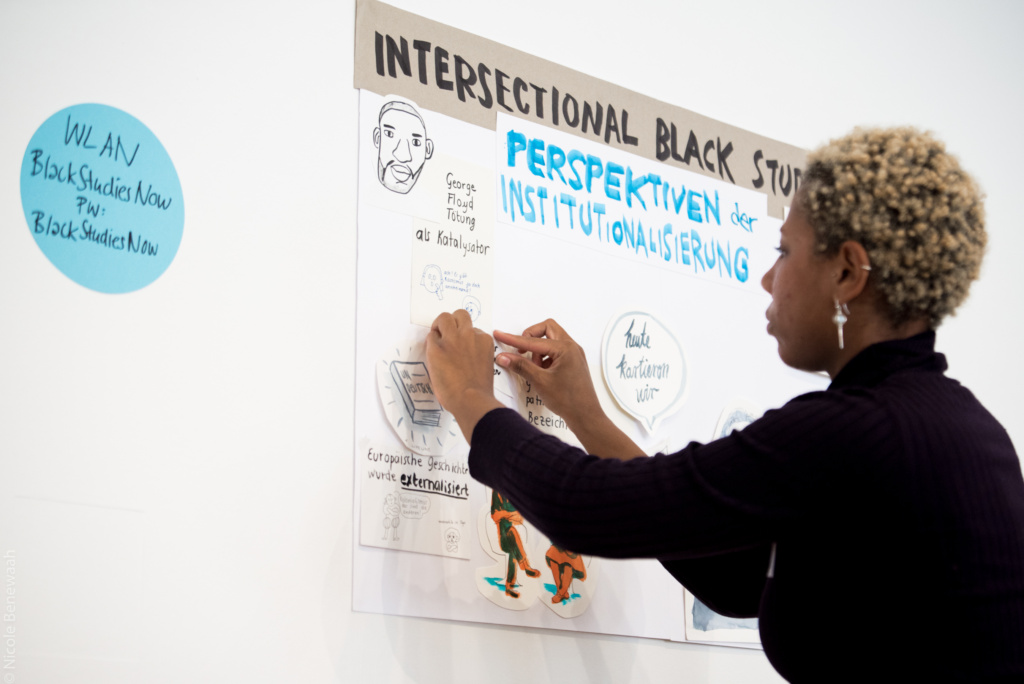
Das Projekt leistete einen wichtigen Beitrag zur formalen Anerkennung afrodiasporischer Wissensbestände und zur beginnenden Institutionalisierung von Intersectional Black European Studies im Berliner Wissenschaftsraum. Im Rahmen der UN-Dekade wurden wissenschaftliche Forschung, Community-Expertise und transnationale Perspektiven zusammengeführt, um Schwarze europäische Erfahrungs- und Wissensräume nachhaltig zu stärken.
InBEST steht für die Verbindung von akademischer Wissensproduktion und afrodiasporischer Community-Praxis — mit dem Ziel, strukturelle Leerstellen im deutschen und europäischen Wissenschaftssystem sichtbar zu machen und zu verändern.
ENGLISH
InBEST – Intersectional Black European Studies was a time-limited UN Decade collaborative project (2022–2023) based at the Center for Interdisciplinary Women’s and Gender Studies at the Technical University of Berlin, in cooperation with Yale University and RAA Berlin.
The collaboration included the Yale Center for the Study of Race, Indigeneity, and Transnational Migration and the MacMillan Center at Yale.
The project contributed significantly to the formal recognition of Afro-diasporic knowledge production and to the emerging institutionalization of Intersectional Black European Studies within Berlin’s academic landscape. Within the framework of the UN Decade, it brought together scholarly research, community expertise, and transnational perspectives to strengthen Black European epistemologies.
InBEST represents a sustained effort to bridge academia and Afro-diasporic community practice — challenging structural exclusions within German and European knowledge institutions.